WORSHIP VIDEO LINK (linked after 10:45 AM Service)
WORSHIP AUDIO LINK
SERMON AUDIO LINK
BULLETIN
SERMON TEXT BELOW
Lent 4 2026
Immanuel Lutheran Church, Hamilton, Ohio
Pastor Kevin Jud
March 15, 2026
Is 42:14-21, Ephesians 5:8-14, John 9:1-41
Sermons online:
Text and Audio: immanuelhamiltonchurch.com click “sermons”
Text: pastorjud.org
Audio: pastorjud.podbean.com
itunes: bit.ly/pastorjud
Full Service Audio: bit.ly/ImmanuelWorship
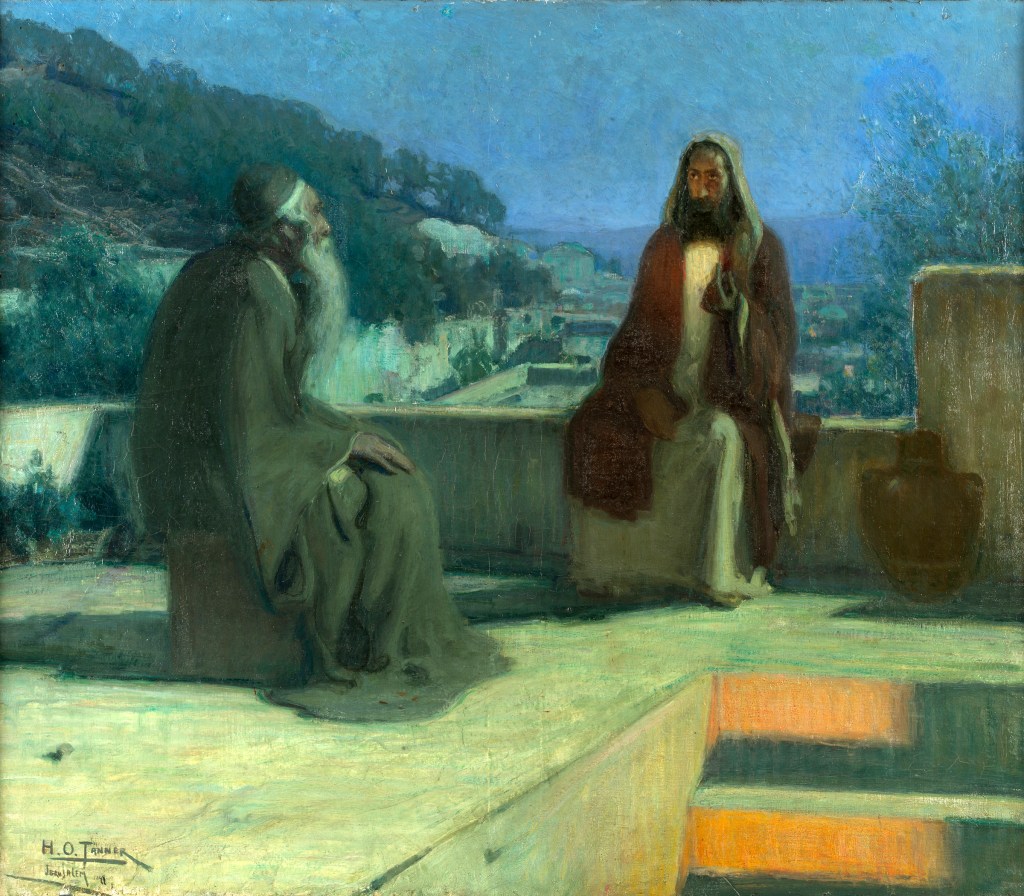
A couple weeks ago we heard about the Pharisee, Nicodemus, coming to Jesus at night to find out more about this new teacher. Jesus teaches him about being born from above by water and the spirit and that God loved the world, in this way, that He sent His only son that whoever believes in Him should not perish but have eternal life. Jesus concludes His teaching with Nicodemus… John 3:19–21 (ESV) 19 And this is the judgment: the light has come into the world, and people loved the darkness rather than the light because their works were evil. 20 For everyone who does wicked things hates the light and does not come to the light, lest his works should be exposed. 21 But whoever does what is true comes to the light, so that it may be clearly seen that his works have been carried out in God.”
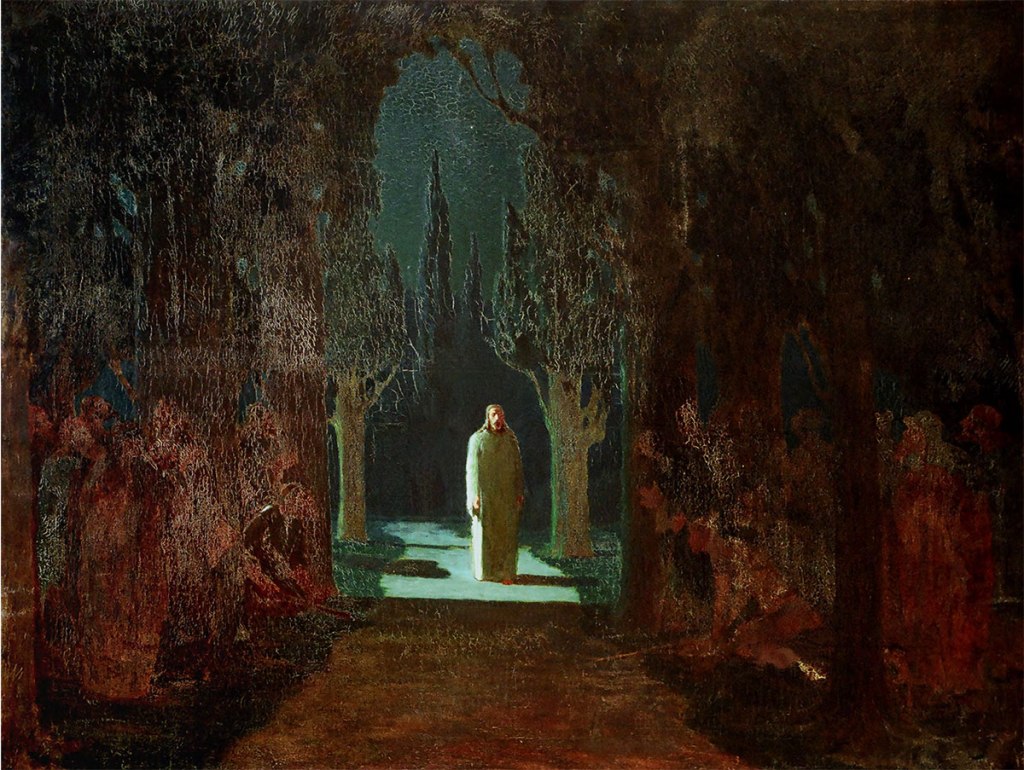
There is darkness and there is light. Jesus is the light. John 1:4–5 (ESV) 4 In him was life, and the life was the light of men. 5 The light shines in the darkness, and the darkness has not overcome it.”
There is darkness and there is light. There is blindness and there is sight. In our Gospel reading, Jesus leaves the temple after the Jews want to stone him for saying John 8:58 (ESV) 58 …“Truly, truly, I say to you, before Abraham was, I am.” “I am”, is God’s name.
John 9:1 (ESV) 1 As [Jesus] passed by, he saw a man blind from birth.” Being born blind is a great disability; at Jesus’ time and today. While some progress is being made, still, with all our medical advances, there is no cure for someone born blind.
The disciples do not talk to the man, but they talk about him. There is a common belief that suffering is retribution from God for specific wrongdoing. The disciples want to know who sinned, this man, or his parents. John 9:3–5 (ESV) 3 Jesus answered, “It was not that this man sinned, or his parents, but that the works of God might be displayed in him. 4 We must work the works of him who sent me while it is day; night is coming, when no one can work. 5 As long as I am in the world, I am the light of the world.”
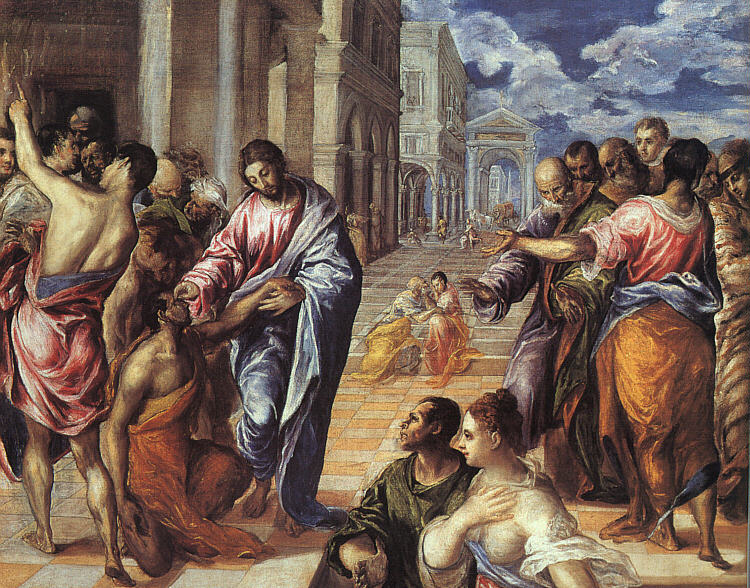
Jesus spits on the ground and makes mud with the saliva and anoints the man’s eyes and tells him, “Go wash in the pool of Siloam.” The man does what he is told, he goes to the pool south of the Temple Mount washes the mud off, and comes back seeing. A man, blind from birth, can now see. This is an incredible miracle of God. No one else can make the blind see. Jesus is the real deal. Isaiah prophesied, Isaiah 35:5 (ESV) 5 Then the eyes of the blind shall be opened…”
The formerly blind man is well known. Everyone has seen him sitting outside the temple begging. Now it is clear that the man who was blind can now see, but, trying to discredit Jesus, they dispute that it is really him. They question the man and he replies, John 9:11 (ESV) 11 … “The man called Jesus made mud and anointed my eyes and said to me, ‘Go to Siloam and wash.’ So I went and washed and received my sight.” The man can physically see; spiritually his eyes are beginning to open. He describes the healer as, “The man called Jesus.”
The man is questioned by the Pharisees who dispute among themselves whether someone who broke one of their abundant Sabbath rules by making a tablespoon of mud could be from God — even though He did a miracle that only God can do. When asked, “What do you say about Him,” the man answers, “He is a prophet.” The man is being enlightened.
After his parents refuse to say how their son was healed, for fear of being thrown out of the synagogue, the Jews question the man again about what happened. They go back and forth and the man boldly proclaims, John 9:32–33 (ESV) 32 Never since the world began has it been heard that anyone opened the eyes of a man born blind. 33 If this man were not from God, he could do nothing.” The formerly blind man’s spiritual eyes are widening and he confesses that Jesus is from God.
Unable to win on the facts, the Pharisees switch to an ad hominin attack, John 9:34 (ESV) 34 … “You were born in utter sin, and would you teach us?” And they cast him out. The Pharisees do not want the truth…they do not want a reminder of the truth… they reject the miracle…they reject the Messiah who showed His authority over blindness… they reject the light.
John 9:35–38 (ESV) 35 Jesus heard that they had cast him out, and having found him he said, “Do you believe in the Son of Man?” 36 He answered, “And who is he, sir, that I may believe in him?” 37 Jesus said to him, “You have seen him, and it is he who is speaking to you.” 38 He said, “Lord, I believe,” and he worshiped him.” The man has physical sight and now the man can spiritually see. He calls Jesus, “Lord,” and he worships Him. The man was in the darkness, but now he is in the light. He was blind, but now he sees.
John 9:39 (ESV) 39 Jesus said, “For judgment I came into this world, that those who do not see may see, and those who see may become blind.” The man born blind can now see — physically and spiritually. He is living in the light of Christ. He is one of those who do not see who may see. Who then are they who see who may become blind? John 9:40 (ESV) 40 Some of the Pharisees near him heard these things, and said to him, “Are we also blind?”
Jesus answer is a bit confusing, John 9:41 (ESV) 41 Jesus said to them, “If you were blind, you would have no guilt; but now that you say, ‘We see,’ your guilt remains.” The man born blind initially does not know who Jesus is, but the light of Christ shines on him and he begins to understand, and then understand even more, and confesses Jesus is Lord. The Pharisees believe they know the scriptures, but they are blind. They are so corrupted in their understanding that instead of rejoicing with a man born blind who can now see, they obsess over Jesus making mud on the Sabbath, and they kick the healed man out of the synagogue for not condemning Jesus.
There is darkness and there is light. There is blindness and there is sight. Jesus is the light. The light rescues you from darkness. As Paul writes to the Colossians… Colossians 1:12–14 (ESV) 12 [give] thanks to the Father, who has qualified you to share in the inheritance of the saints in light. 13 He has delivered us from the domain of darkness and transferred us to the kingdom of his beloved Son, 14 in whom we have redemption, the forgiveness of sins.” And to the Ephesians….Ephesians 5:8 (ESV) 8 for at one time you were darkness, but now you are light in the Lord. Walk as children of light…”
There is darkness and there is light. There is blindness and there is sight. It is as simple and complex as that. Jesus is the light. Jesus rescued you from the darkness and now you are a child of light. This morning we get to witness God rescuing Johann and Hannah from the darkness and bringing them into the Kingdom of light through water and the Spirit. They were in darkness, but now they are light in the Lord. They were blind, but now they see.
Jesus is the light. Jesus is the only light. There is no other light. If you seek a way other than Jesus, you are walking in darkness. If you seek a way other than Jesus you are blind.
Jesus is the light. The light shines in the darkness. The light has come to save all people but not everyone believes in the light. Far too many love the darkness rather than the light because their works are evil and they do not want their works to be exposed. Those doing evil want to stay in the dark.
We think of light as good, but the light can hurt. When you walk into the brightness of sunlight from a dark room you have to shield your eyes. Coming out of the darkness of sin, the light of Christ can cause pain. The light exposes the darkness of your sin. The light convicts you of your sin. The light shows that you are, by nature, spiritually blind, dead and an enemy of God. The light shows your helplessness. Many reject the light because the light causes them pain and exposes their evil. They reject the light before they can be enlightened as to who Jesus is and what He has done for them.
Jesus is the light. The light takes on Himself the darkness of the world and is suffocated by the darkness on the cross. That dark Friday it seems the light has been extinguished. But the light dawns again Sunday morning. The light conquers the darkness by rising from the dead. Jesus takes your darkness and gives you His light so, with the man who had been blind from birth, you confess, “Jesus is Lord!” and you worship Him.
There is darkness and there is light. There is blindness and there is sight. Jesus is the light. You are light in Him. You were blind, but now you see. Amen.


 From the Pulpit